WELCOME TO
Archaeological Survey Of India, Aurangabad Circle
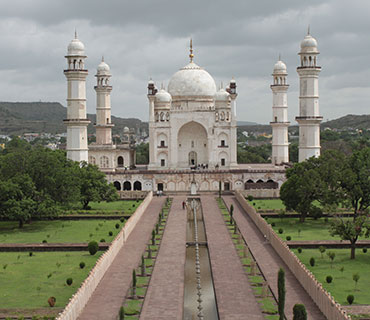
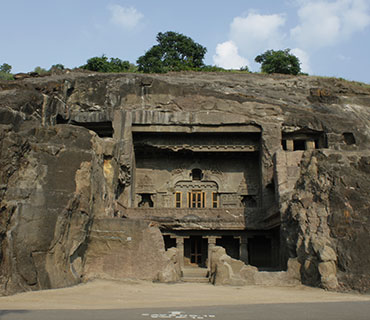
The Aurangabad Circle of the Archaeological Survey of India (ASI) was initially known as the Western Circle in the year 1885, covering the monuments in Bombay Presidency, Pakistan, Gujarat, Karnataka, and Madhya Pradesh during the British rule. However, after independence in 1953, the Western Circle was bifurcated and renamed as the South-Western Circle, with its Headquarters at Poona.
In the year 1964, the headquarters was shifted from Pune to Aurangabad as most of the important monuments were located near the Aurangabad City. In the year 1961, when the Union Territory of Goa attained the status of State, the monuments of Goa were placed under a mini-circle and included in Aurangabad Circle for administrative purposes.
The Aurangabad Circle maintains six ticketed monuments, including two World Heritage monuments, namely Ajanta and Ellora Caves. Apart from these monuments, the Circle has a large number of cave monuments under its jurisdiction. The Daulatabad Fort presents a unique example of fort architecture.
Besides these, there are a number of important excavated sites like Daimabad, Newasa, Prakash and Paithan which through valuable light on the archaeological remains of this region right from the Palaeolithic period to the modern times. There are also, temples, mosques, tombs under the protection of Aurangabad circle. The Aurangabad circle carries out preservations, conservation and maintenance of the monuments / sites falling under its jurisdiction. Further, the officers of Science Branch at Aurangabad (Western Zone) and Ajanta (Field Laboratory) carries out chemical preservation of these monuments. The Horticulture Branch located at Aurangabad carries out environmental up-gradation of the monuments